About Online Piano Lessons
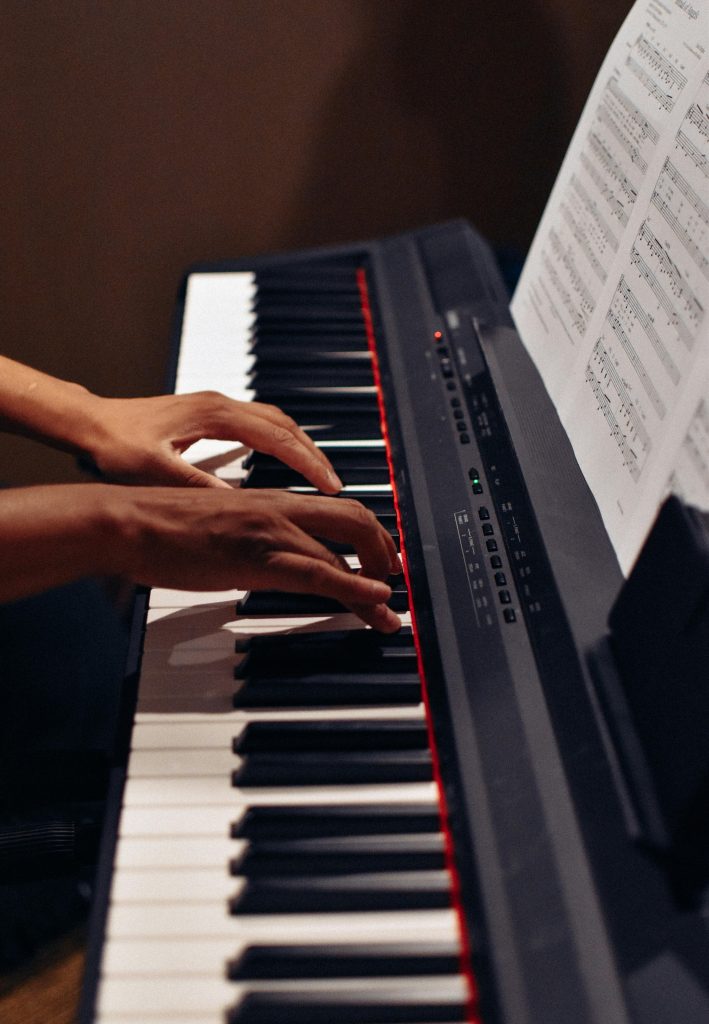
What do you want to learn? You decide.
My teaching ethos is that personalized teaching methods and materials are key to creating a nurturing environment, fostering a lifelong love of playing the piano.
Click the arrows below for more information on these frequently asked questions.
Who sets the pace of the lessons?
At my piano lessons, you are in control of your learning speed. If you want to master pieces quickly, I’ll recommend a practice routine to help you achieve your goals. If you prefer a more relaxed pace, there will be no pressure to finish tasks. This approach is flexible, so whether you’re balancing a busy schedule or just want a laid-back learning experience, we’ll find a pace that works for you. Learning piano should be fun, not stressful!
What is meant by a holistic teaching?
I understand that everyone faces unique learning challenges. Whether it’s motivation or specific aspects of piano playing that are tough, I’m here to support you. I incorporate the best educational theories and methods from music pedagogy, psychology, and child development to ensure a personalized, supportive learning experience. Together, we’ll make piano playing both achievable and enjoyable.
No Pressure for Exams
While many teachers emphasize graded exams, I’ve found that taking exams can sometimes leave students feeling unsatisfied and less interested in playing. I offer a relaxed, exploratory approach to piano learning that fosters a deeper love for the instrument. While exams are available if you desire, this approach is perfect for students who prefer a stress-free piano experience and are passionate about learning music at their own pace.
What Type of Music Will You Learn?
Although I’m classically trained, I encourage students to explore a variety of music genres. I even write my own arrangements to introduce new styles and techniques, helping you become an adaptable player. Whether you’re into classical music or want to dive into genres like pop, jazz, rock, or even video game music, you’re welcome to explore what excites you. Piano lessons should be about what you enjoy!
Theory and Technique: A Fun Approach
Rather than the traditional method of theory and scale practice, I offer a more engaging approach. I introduce new concepts gradually, incorporating games and real-life scenarios to make music theory and piano technique more enjoyable and memorable. This allows you to learn without the pressure of endless scale repetition. Whether you’re preparing for music exams or simply learning for fun, you’ll be able to progress at your own pace and focus on the skills that matter most to you.
Learning to Play Party Pieces
Ever dreamed of impressing others with your piano skills? Whether it’s playing the classic “Drunken Sailor” or an upbeat boogie-woogie, I can help you learn and memorize your favourite party pieces. These fun tunes are great to practice and are sure to impress when you sit down at a piano in public!
Why Online Piano Lessons Are Great!
No More Commuting
Say goodbye to the hassle of traveling weekly for piano lessons! Virtual lessons free up hours spent in the car, making learning more convenient and accessible—especially for those who are housebound or have busy schedules.
Personalized Support for Your Setup
One of the key advantages of online lessons is that I can see your piano setup. This allows me to quickly identify and troubleshoot any potential issues with your instrument or playing environment, ensuring your progress stays on track.
Enhanced Learning with Virtual Lessons
Online piano lessons have proven to boost students’ ear training and overall musicianship. Without relying on me to mark up their music, students gain more confidence and independence in their learning. It also means lessons can continue uninterrupted during times of illness or when you’re away from home.
Learning Flexibility
Online piano lessons remove the barrier of location. Whether you’re living at two different addresses, heading off to university, or even caring for family members away from home, virtual lessons ensure that you maintain the consistency of weekly lessons. I’ve even continued teaching while students are traveling with their keyboards!
Leveraging Technology for Better Learning
Virtual lessons open up new opportunities to enhance your musical education. With tools like screen sharing, interactive games, and music notation software, I can guide you through composition projects and help you master new concepts in fun and engaging ways.
What Technology Do I Need for Online Piano Lessons?
Devices You Can Use for Online Piano Lessons
You can take online piano lessons using a computer, tablet, or even a smartphone. I recommend using Google Meet for lessons, as it provides a stable, high-quality video call experience. However, I also offer WhatsApp for those who prefer it, though please note that as an Android user, I am unable to use FaceTime.
Getting Started with Online Piano Lessons
If you’re new to online learning or technology, don’t worry! I’m happy to walk you through the setup process and troubleshoot any technical issues you may encounter. Many of my students, ranging in age from 7 to 80 years old, have successfully adapted to online teaching with my help.
Technology Support for a Smooth Online Learning Experience
Even if you’re not very tech-savvy, I’ll be there to guide you step by step. Online piano lessons are accessible for everyone, no matter your comfort level with technology!
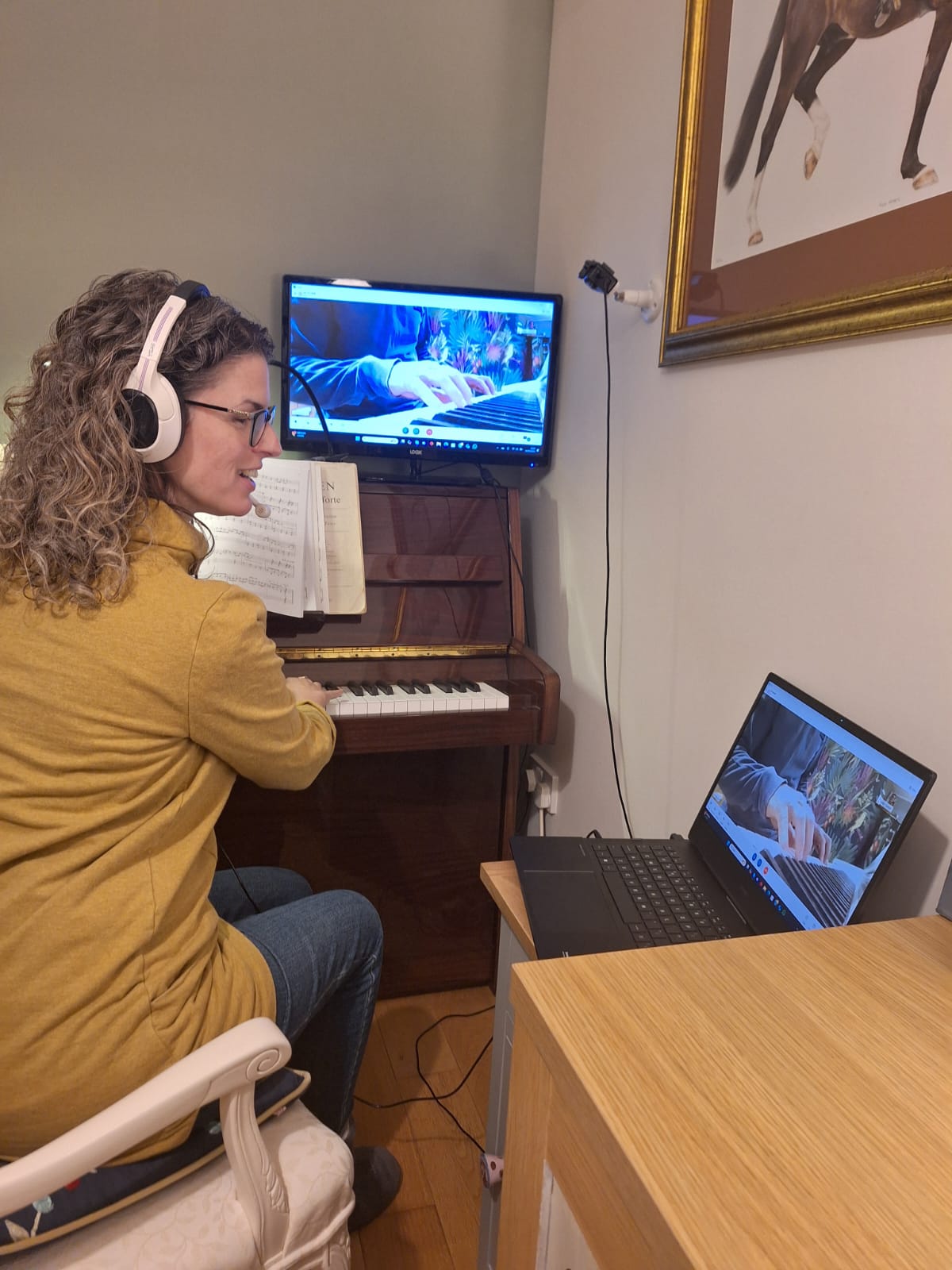
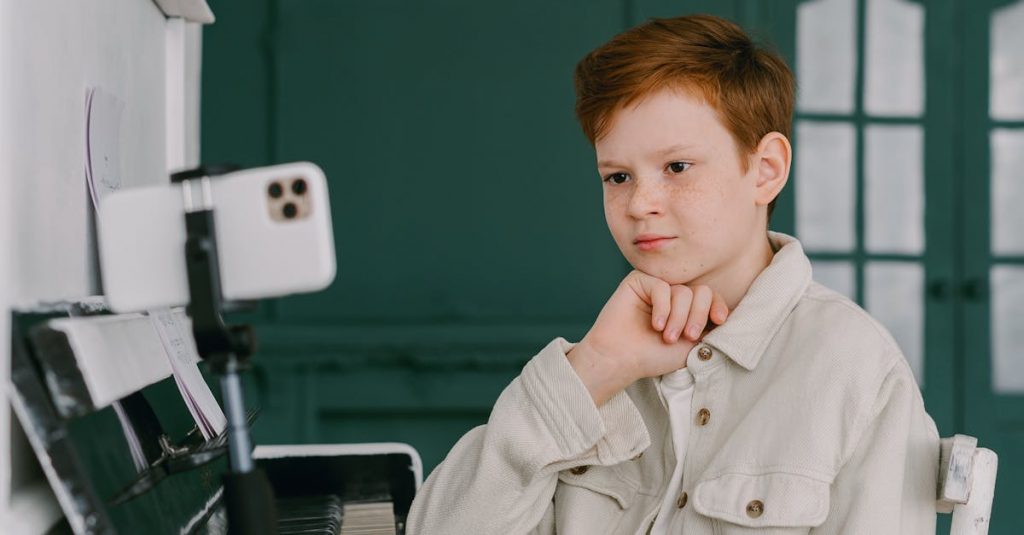
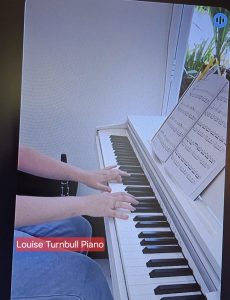
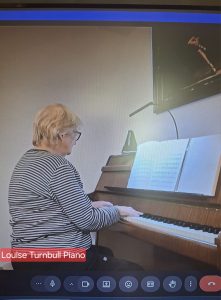
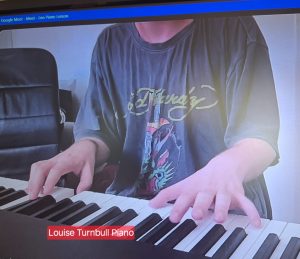
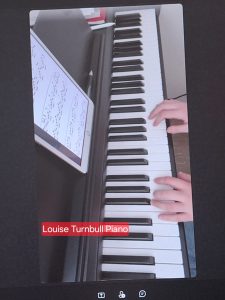
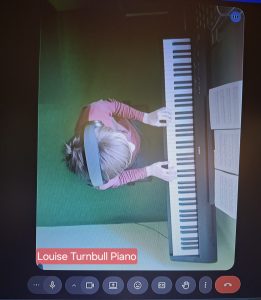
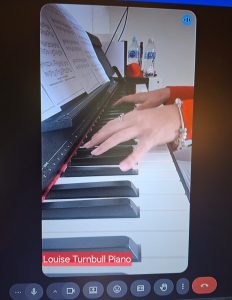
Below are examples of different camera angles and equipment my piano students use during their online lessons.
My pupils use a variety of devices: laptops, phones and tablets. All work well.
What Piano Should I Get? Acoustic vs. Electric: Which is best for you?
When choosing a piano, the decision between an acoustic piano and an electric piano depends on your lifestyle and personal preferences.
Click the arrows below for advise on buying an instrument.
Electric Pianos:
If you’re looking for a piano that allows you to practice at any time without disturbing others, an electric piano is a great option. Electric pianos with headphones let you play late at night without waking the neighbours!
Acoustic Pianos:
While acoustic pianos provide a rich, traditional sound, be cautious when picking one up, especially if it’s free or low-cost. Always consult a local piano tuner to evaluate the condition of any used or free piano before making a purchase. They can also recommend good pianos for sale, helping you avoid costly mistakes.
Buying an Electric Piano or Keyboard
When buying an electric piano or digital keyboard, here are a few key things to look for:
88 Keys: Make sure the keyboard has all 88 keys for a complete range of notes.
Weighted Keys: Choose a model with weighted keys to mimic the feel of an acoustic piano, which allows you to play with dynamics—soft and loud.
Sound Quality Over Gimmicks: Invest in a piano with high-quality sound. While many digital pianos come with fun sounds (like barking dogs or drums), you’ll rarely use them in lessons or performances. A realistic piano sound is crucial for serious practice.
Should You Choose a Keyboard or Electric Piano?
Consider whether portability or stability is more important for your needs:
Portable Keyboards: Great for easy transport and smaller spaces.
Electric Pianos: Larger and more stable, they often provide a more authentic feel, which can enhance your playing experience.
If you can, try out a few models in person to see which feels right. If not, be sure to read reviews from reliable sources before purchasing to ensure the keyboard or electric piano is well-regarded.
Second-Hand Pianos and Keyboards
You can often find a high-quality second-hand piano at a great price. Look for used instruments in good condition, and always have a professional technician check the piano before purchasing to ensure it’s in good working order.
Getting the most out of Piano
Click the arrows below to see the information.
Why Play Piano?
Playing a musical instrument good for brain health in later life – study Playing a musical instrument good for brain health in later life – study – BBC News
Scientists find taking up piano lessons at older age could delay dementia onset Scientists find taking up piano lessons at older age could delay dementia onset – Classic FM
Practice Motivation Tips:
If you ever have problems with procrastination (who doesn’t!) then watch this Tim Urban: Inside the mind of a master procrastinator | TED Talk
If you find you talk yourself out of practicing, try the Mel Robbins 5-4-3-2-1 rule as soon as you think about doing it. This method is meant to stop your brain from going to the ‘why I should not do it’ thought process before it even has a chance to take hold (short video explanation) Bing Videos (longer video explanation) The biggest MISTAKE you’re making with MOTIVATION | The Mel Robbins Podcast